
16 Days Sands of Pharaohs Tour Package







 +18
+18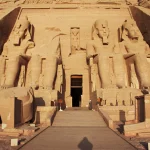







Price varies by group size
$3893.40
$4326.00
Duration
16 days
Max People
30
Tour Type
Private
Location
Reviews
No reviews yetOverview
16 Days Sands of Pharaohs Tour Package
The 16-Day Sands of Pharaohs Tour Package is a fantastic opportunity to explore Egypt's ancient monuments and rich history. At Beyond The Nile Tours, our dedicated team of Egyptologists, guides, and travel advisors is here to support you from your first inquiry until your safe return home.
We pride ourselves on providing top-notch services, including quality accommodations, smooth transportation, delicious meals, and personalized experiences in Giza, Cairo, Saqqara, Dahshur, Bahariya, Alexandria, Aswan, and Luxor.
Join us for 16 unforgettable days, starting in Giza. You'll visit the Great Pyramids, the Sphinx, the upcoming Grand Egyptian Museum, and ancient sites like Saqqara and Memphis. Discover the stunning landscapes and rich history of this captivating destination!
Book this classical tour package and explore the wonders of ancient Egypt.
Tour Highlights:
Giza Attractions
- Giza Pyramids
- The Sphinx
- The Valley Temple
- The Grand Museum
Giza Attractions
- Saqqara Pyramid
- Memphis City
- The Red Pyramid
- The Bent Pyramid
Cairo Attractions
- Egyptian Museum
- Salah El Din Citadel
- The Hanging Church
- Al Muizz & Khan El Khalili
Cairo Palaces
- Baron Palace
- Manial Palace
- Abdeen Palace
- Shubra Palace
Aswan Attractions
- Aswan High Dam
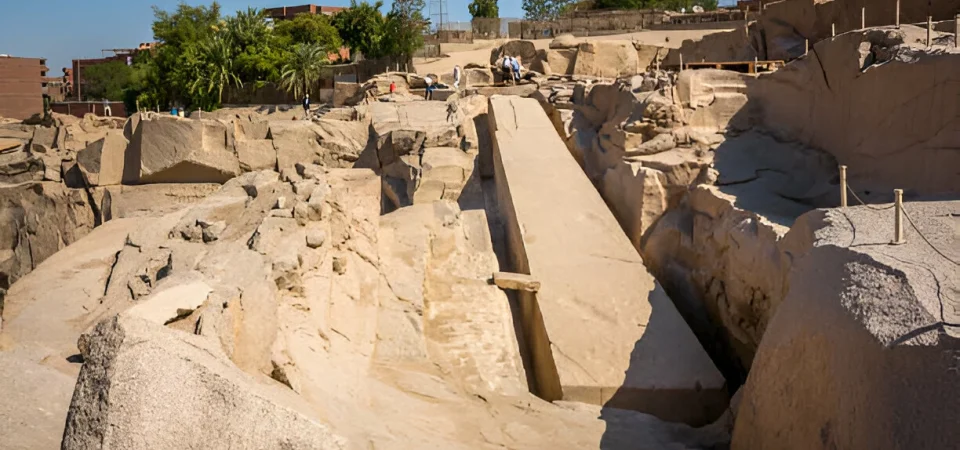
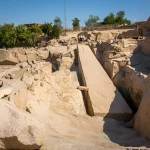
- Unfinished Obelisk
- Philae Temple
- Abu Simbel Temple
Aswan Attractions
- Nubian Village
- Elephantine Island
- Kitchener Island
- Edfu & Kom Ombo Temples
Luxor Attractions
- Karnak & Luxor Temples
- Mummification Museum
- Luxor Museum
- Habu Temple
Luxor Attractions
- Valley of the Kings
- Hatshepsut Temple
- Colossi of Memnon
- Valley of the Queens
Alexandria Attractions
- Qaitbay Citadel
- Pompey's Pillar
- The Catacombs
- Roman Theatre

Included/Excluded
- Meet and assist service at Cairo International Airport.
- 7 Nights accommodation at 5* hotel in Cairo on a bed and breakfast basis.
- 1 Night accommodation at 5* hotel in Alexandria on a bed and breakfast basis.
- 3 Nights accommodation at 5* hotel in Luxor on a bed and breakfast basis.
- 3 Nights accommodation at 5* hotel in Aswan on a bed and breakfast basis.
- 1-night camping in the desert.
- Domestic flights { Cairo – Aswan / Luxor – Cairo}.
- All your tours and excursions are by modern A/C vehicles.
- Egyptologist tour guide throughout your tours.
- Meals as mentioned in the itinerary.
- All service charges and taxes.
- International airfare.
- Egypt entry visa.
- Optional tours.
- Personal expenses.
- Drinks and any personal expenses.
- Tipping.
- Admission fees to all the sights are mentioned in the itinerary.
Tour Plan
Day 1: Get in Cairo and visit Wekalet Ghoury
We will arrange your pick up upon arrival at Cairo International Airport by a private A/C vehicle to our hotel in Cairo where you will check in and start your relaxation.
day 2: The Giza Pyramids Complex and The Grand Egyptian Museum
After breakfast, you will meet your tour guide to take you to the most famous and sophisticated sights of Cairo and Giza.
The Giza Pyramids Complex
The Pyramids of Giza, which includes the Great Pyramid of Khufu, has been built to be the resting place of the pharaohs of the 4th dynasty and their queens since around 2600 BC.
The Great Pyramid
The Great Pyramid, built in 2570 BC, is a remarkable stone structure of 2 million tones. It was completed in just 15 years and is still considered one of the original Seven Wonders of the World. Well-preserved over centuries, it stands at 146.6 meters (481 feet) and is the heaviest object in the world, weighing about 6 million units. It features an impressive King’s Chamber.
The Great Sphinx
The Great Sphinx in Horus of the Horizon was created by Pharaoh Khafre between 2558 and 2532 BC. Modeled after a lion, the Sphinx symbolizes divinity and is a guardian of immortality. Its unique characteristics are highlighted by its connection to the Dream Stele of Thutmose IV.
The Valley Temple
The necropolis is the most famous of the Old Kingdom period, with 4th Dynasty burial complexes. It was used to prep for their journey into the hereafter and perform the mummification and opening of the mouth rituals.
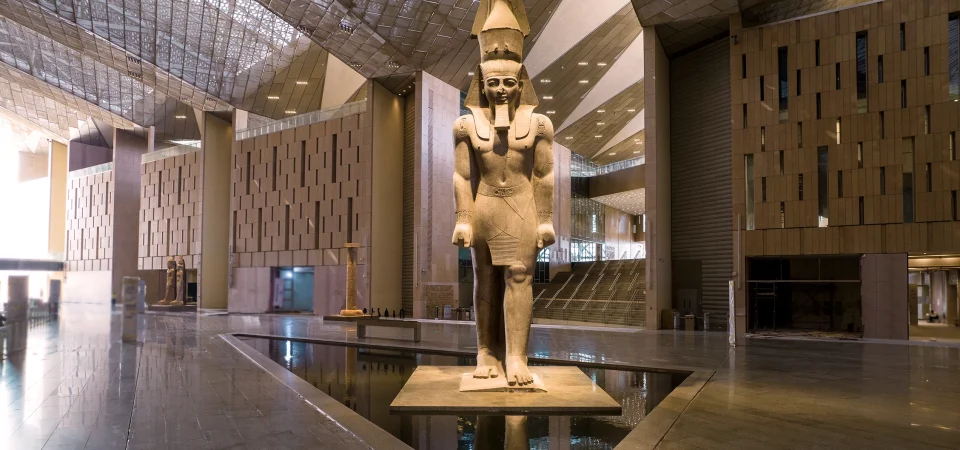
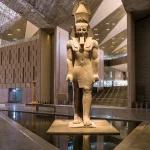
The Grand Egyptian Museum
The Grand Egyptian Museum was built to be the gateway to the innumerable treasures of ancient Egyptian origin, which were the result of 5000 years of bond bone and beautiful artistry. The presence of this great wonder led to experiencing high architectural constructions and unique examples.
After the tour ends we will arrange you to your hotel in Cairo you spend the night there.
Meals: breakfast and lunch
Day 3 Alexandria Day Tour Roman Amphitheatre Overnight in Alexandria
After breakfast, we will transfer you to Alexandria by A/C vehicle. You will visit:
The Catacomb of Kom el Shoqafa Mohamad's said Al Haldwani Mohamed said Al hallway, Alexandria 21599 Egypt The Catacombs of Kom El Shoqafa are the most significant Roman Cemetery, consisting of three levels cut in the rock. The site is an interesting mix of Pharaonic art displayed in the wall paintings and Roman influence seen in statues, tombs, etc.
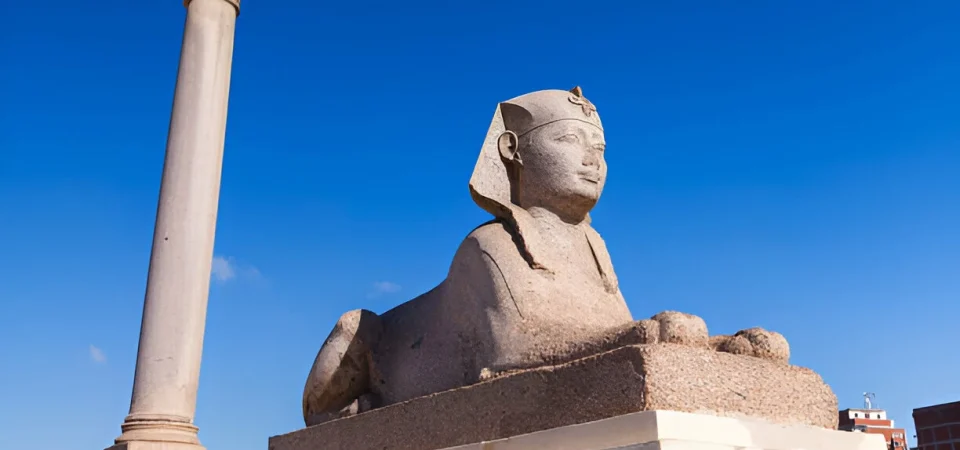
Pompey's Pillar was a huge 30-meter column built between AD 298 and 302 on an artificial hill above the village of Rhakotis. It was made from Aswan red stone and retrieved from the Serapeum Temple.
Qaitbay Castle: This Mamluk fortress, located within the area, was built in 1480 by Sultan Al-Ashraf Sayf al-Din Qaitbay. It is the most impressive architectural landmark at Alex. Sultan Al-Ashraf Qaitbey built this soaring fortress to block the Ottomans from invading.
The Bibliotheca Alexandrina, the New Library of Alexandria, was the first human scientific achievement of the new century (2002), and it contains about 8 million books from various disciplines.
After your tour ends we will arrange you to your hotel in Alexandria.
Meal: Breakfast and Lunch
Day 4: Alamien Military Museum-Return To Cairo
If you visit Alexandria Port for one day, take the Day Tour to El Alamein from Alexandria Port.
After breakfast, you will pay tribute to the hero of WWII and then the citadel of Alamein Military Museum.
El Alamein
The museum is the Battle of El Alamein, and it is a good place to visit. This shows the battle of El Alamein between the Allies and Axis powers in November of 1942. It was one of the rebirths of a legend. Founded around 1956, the museum exhibits various military equipment, weapons, vehicles, displays, and past events and victims. What the museum does is the uniquely American thing of turning a triumph of history into a story about how that history can form the whole Heroic History of World War II.
After your tour ends in Alexandria, we will transfer you to your hotel in cairo .
Meals: Breakfast, Lunch
Day 5: Wing to Aswan &.clearfix Highlights of Aswan & a Nubian village
After breakfast, We will transfer you to Cairo International Airport to catch your fligh to Aswan, Upon Arrival you will visit:
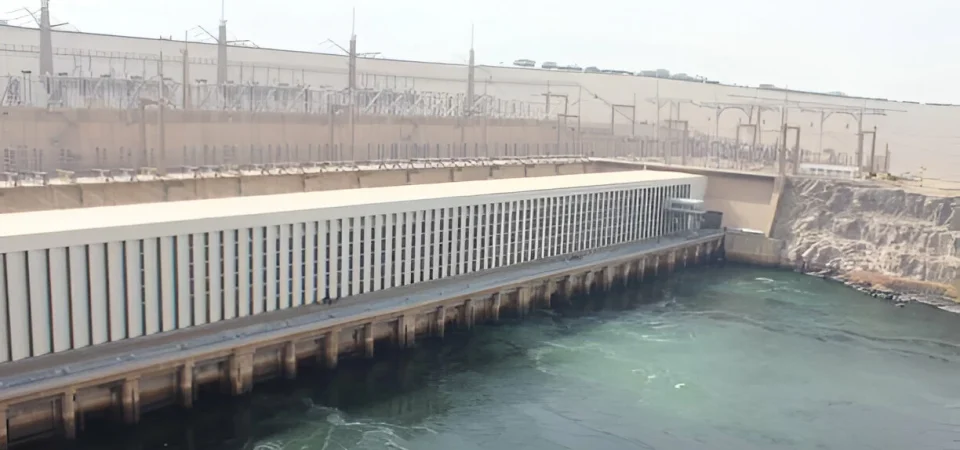
The Aswan High Dam
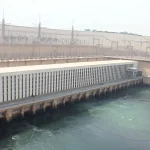
The well-known Aswan High Dam can be seen from the huge artificial Lake Nasser. The growth of Aswan High Dam is designed to easily capture the many powers and resources of the magical water of the annual inundations.
Later comes the finding of the holy one.
Philae Temple
Philae Temple is an ancient Egyptian temple situated on the island of Philae in the Nile River.
It is the main temple at Philae and the site of the goddess' icon, which was located in a well. Between the years 380 and 362 BC, this temple was constructed by the vigorous builders of that time period. Individuals who correctly meditate can feel this force, causing them to believe in meditation, which would grant them the right direction.
Oils and other manufacturers of other temple necessities can also be found at Aswan's oil factories.
Nubian Village Aswan
Plan an adventure tour to the Nubian Village in Aswan and have a tremendous African travel experience by visiting and interacting with the fantastic Nubian people. They are known to be friendly, and I'm sure you will enjoy their delicious food and drinks."
When your tour ends we will arrange you to your hotel in Aswan.
Meals: Breakfast, Lunch
Day 6: Abu Simbel Day Trip
Start your day with an optional early visit to Abu Simbel before breakfast, one of the most glorious and historically significant pieces of architecture.
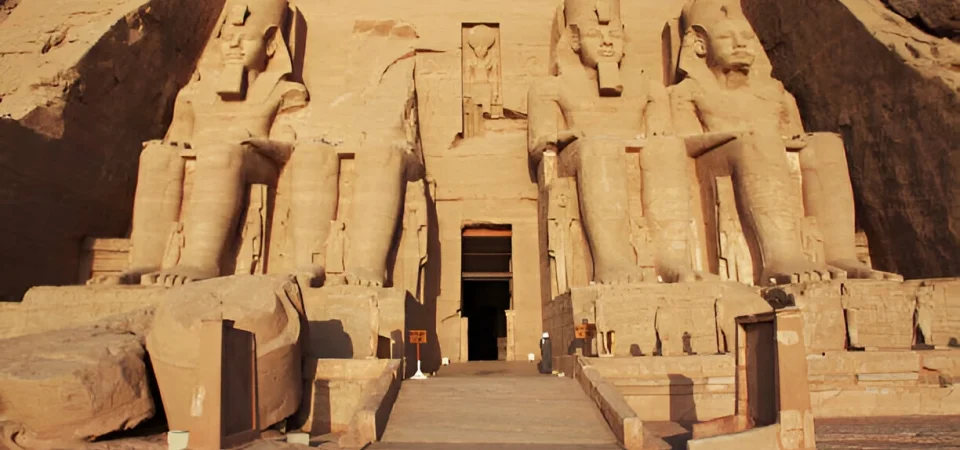
The Abu Simbel Temples
The temples of Abu Simbel, built by Ramses II around 1264 BC, are carved into the mountains and feature the king's hypostyle hall flanked by two towers of the Sons of Horus and a winged sun disc, symbolizing the child god Horus. Nearby is the temple dedicated to his wife, Queen Nefertari. The temple walls showcase masterpieces depicting the Battle of Kadesh and the peace treaty signed in 1274 BC.
After lunch, we will arrange you to your hotel.
Meal: Breakfast, Lunch
Day 7: Elephantine & Kitchener Islands
After breakfast, we will arrange you to visit:
Aswan Elephantine Island.
Phelps, the sacred Elephantine Island, reflects the essence of the Nile deities that watch over the world's oldest river. Once a vital trade hub, it remains a remote island with remnants of ancient settlements and temples. Its history dates back to the 1st Dynasty (circa 3000 BC), spanning 1,200 meters (3,900 feet) in length and 400 meters (1,300 feet) in width. Visitors can explore the ruins of the Temple of Khnum, which is dedicated to the ram-headed god of the Nile. The island offers a unique blend of tranquil nature and rich history, making it an ideal destination for history and nature lovers.
Aswan Kitchener Island
Kitchener Island, or Botanical Island, is a small island in the Nile, gifted to Lord Horatio Kitchener as the British consul in Egypt. The Kitchener Island Botanical Garden spans 6.8 hectares and showcases a variety of tropical and subtropical plants, including Sabal, Royal, and Phoenix Palms, imported from around the world. Walking through the garden is a refreshing escape from the city's hustle and bustle, offering vibrant flowers, sweet fragrances, and shaded paths to enjoy amidst the desert sun.
Ends you tour we will take you back to your hotel and spend the night there.
Meals: Breakfast, Lunch
Day 8 Kom Ombo + Edfu Temple + Overnight in Luxor
After breakfast, you will be with your tour guide who will help you to visit the fantastic wonders of the world and the city, as well as
The Kom Ombo Temple
High above the stars, this Atlantian marvel symbolizes a divine cosmic influence from paradise, instilling clarity and enlightenment in those who encounter it. The Kom Ombo Temple built between 108 BC and 47 BC during Egypt's Ptolemaic period, is vital for worshiping the sky god Horus and the crocodile god Sobek. These deities are believed to alleviate suffering, dispel negativity and fear, and promote happiness and spiritual upliftment.
The Edfu Temple
The Edfu Temple is one of Egypt's most well-preserved temples. Built between 237 BC and 57 BC, it is dedicated to Horus, the falcon god. The site is said to be where Horus fought his uncle Set. Its walls are decorated with stunning images and statues depicting tales of physical and spiritual victories.
We will transfer you to your hotel in Luxor.
Meals: Breakfast, Lunch
Day 9: The Karnaks+ Luxor By Night+Mummification & Luxor Museum Days
After breakfast you will meeting your guide to start your day discovering the secrets of Luxor to visit:
Karnak Temple
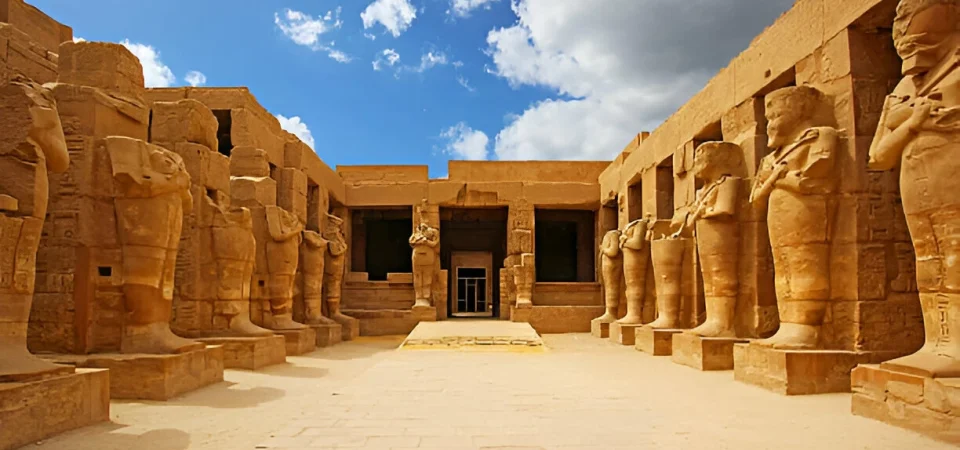
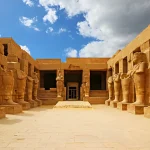
Built between 1970 BC and 30 BC by various pharaohs, this complex encompasses temples, halls, obelisks, shrines, and statues across 100 hectares (274 acres). Dedicated to the Theban triad of Amun-Ra, Mut, and Khonsu from the 18th dynasty, it is renowned for its impressive size and beautiful rock carvings.
Luxor Mummification Museum
**Mummification Museum, Luxor:** The Luxor Mummification Museum, opened in 1997, offers insight into ancient Egyptian mummification. Covering 2,035 square meters, it features artifacts, tools, and exhibits that detail the rituals involved. The museum includes 19 cases showcasing beliefs and practices about death and the afterlife in ancient Egypt.
Luxor Museum
The Luxor Museum was opened in 1975. It exhibits statues, reliefs, jewelry, and various items from various eras of Ancient Egypt, but the most important to the museum is the New Kingdom (1570-1050 BC). We can tell you that there is a wide, spectacular variety of attractions to see, and all visitors are going to be entertained by the district's brilliantly rich "sparkling cultural wealth."
Luxor Temple by Night
Visitors can experience a captivating sound and light show at Luxor Temple, where ancient monuments illuminate the landscape at sunset. This historic site was where kings were crowned and celebrated during the Opet festival. Built by Pharaohs Amenhotep III, Tutankhamun, Ramesses II, and Alexander the Great, the temple is dedicated to the Theban triad and features the impressive avenue of the sphinxes.
We will arrange you to your hotel in Luxor.
Meals: Breakfast, Lunch
Day 10: Luxor - Treasure On Both Banks
After breakfast and then meet your tour guide to go to the next level of the pharaoh's organic kingdom, To visit:
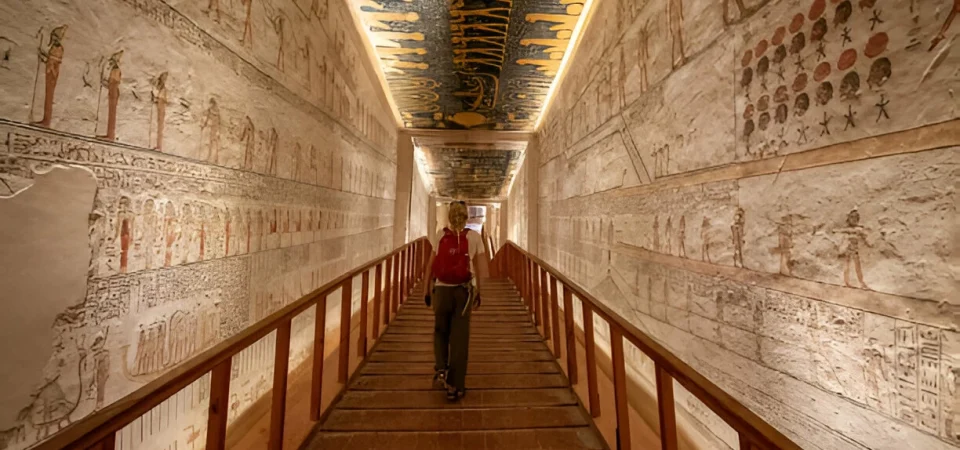
The Valley of the Kings
Nestled on a valley slope, this area was home to a society ruled by kings and the wealthy from the 17th to 18th centuries BC. As the most significant part of the Theban Necropolis, it features temple tombs for notable rulers like Seti I and Hatshepsut, as well as the site of Tutankhamun’s rebellion and the descendants of Amenhotep I.
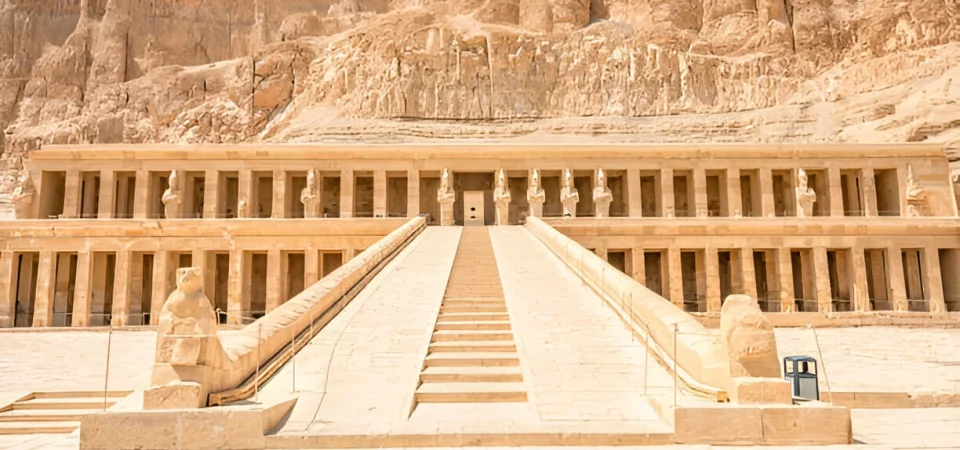
The Hatshepsut Temple
The Mortuary temple of queen Hatshepsut, a symbol of Ancient Egyptian architectural achievement, is a significant site. Retaining its original beauty, the temple was built atop the cliffs of Deir el-Bahari in 1479 BCE and features a statue that represents Hatshepsut's life and title as God's Wife of Amun-Ra.
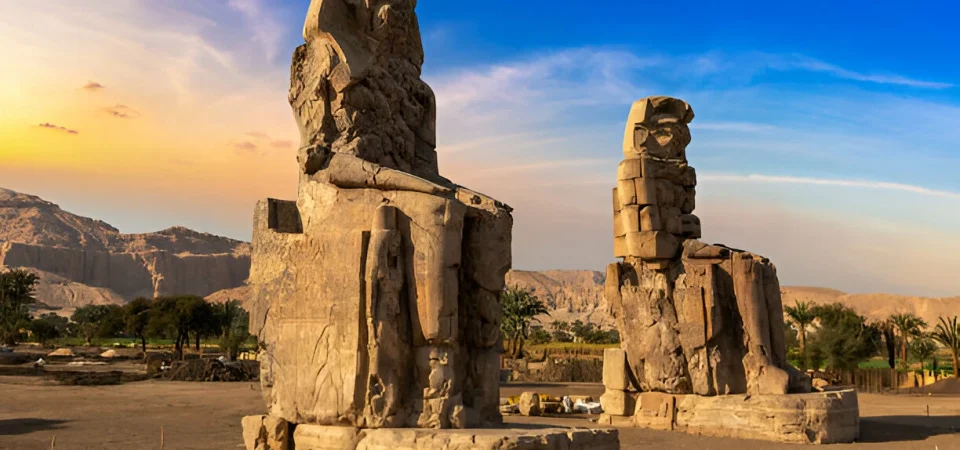
The Colossi of Memnon
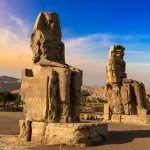
These world-famous Colossi of Memnon were made by the great King Amenhotep III (1386 - 1349 BC) in 1350 BC. They were then transported from Cairo to Luxor, a distance of about 700 meters. They were then placed into the ruins of the Amenhotep II funerary temple. Rebuilt several times, it was most famous for its acoustical qualities during the Greco-Roman period. The temple's outer walls were decorated with pictures of Hapi, the Nile god, and his divine family, who were cut in stone.
Valley of the Queens
The Valley of the Queens: It's a beautiful scene far from the world, a valley holding the tombs of royal women and children from the New Kingdom era. There are over 90 decorated tombs, including the principal wife of Ramses the Great, Nefertari's well-known grave, which is dedicated to the beloved Hathor and is the most famous one. Also renowned for its beautiful paintings and detailed illustrations of functional and status activities, the most stunning paintings all relate to the agency of the Egyptians in the early culture of the society.
Habu Temple
The Habu Temple is a unique and grand structure, beautifully situated in a bowl-shaped area that enhances its colorful effects. Its walls showcase imaginary animals, golden symbols, and scenes of gods and heroes battling dark forces. Built in the 12th century BCE during the 18th dynasty in honor of Pharaoh Ramses III, the temple features impressive reliefs and writings that depict Egyptian religion and themes of war. Its grandeur has significantly influenced the modern understanding of Thebes.
We will arrange you to your hotel in Luxor.
Meals: Breakfast, Lunch
Day 11: Take Off To Ciaro + Discover The Glory of Cairo
After breakfast, we will transfer you to Luxor International Airport to catch your flight to Cairo to visit:
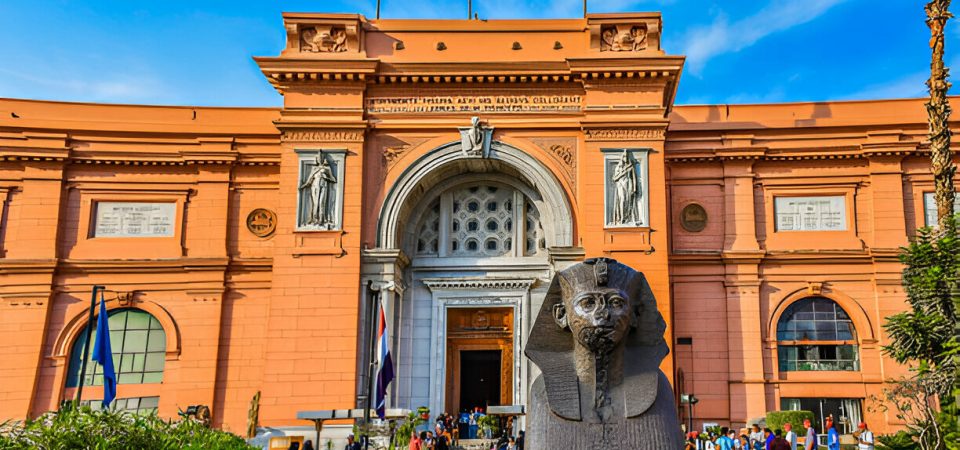
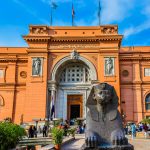
The Egyptian Museum
The Egyptian Museum is a place of relics and mythical treasures. The museum was founded in 1901. This is the best place where witnesses of the ancient civilization who lived almost 7000 years ago can explore a variety of fossil discoveries and the ultimate resourcefulness of fi
The Hanging Church
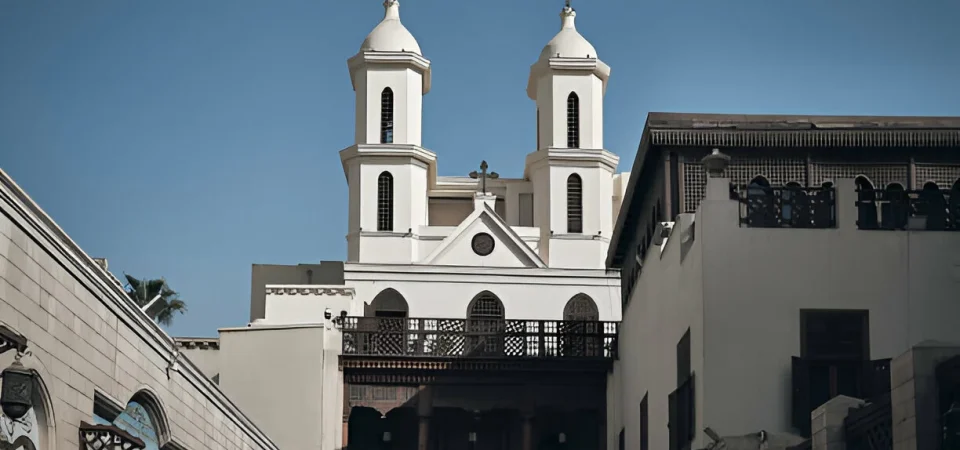
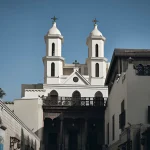
The hanging church is one of the most historically significant sites from the early Coptic era in the 5th century A.D. It is said to be the main reason it was 30 feet above the street level, near the southern wall of the Roman fortress of Babylon. The church is also rich in artistic treasures from the 7th to the 13th century.
The Salah El Din Citadel
The Salah El Din Citadel is a breathtaking, awe-inspiring emblem of imperial importance and splendor. Its origins date back to between 1176 and 1182 AD when the great warrior Salah ad-Din supervised it. The Citadel is perched atop the highest point in Cairo, which was the seat of the government for centuries until the 1860s.
The entire golden crown of the city is crowded with many great castles, museums, and art shows that sparkle around to exhibit the remarkable heritage of the town.
Al Muizz Street
Al Muizz Golden Street was established by Fatimid between 953 and 975 AD and further expanded in 1171 AD. It is a cultural center displaying stunning examples of Islamic art and architecture in its many house museums, cafes, and art galleries.
The Khan El Khalili Bazaar
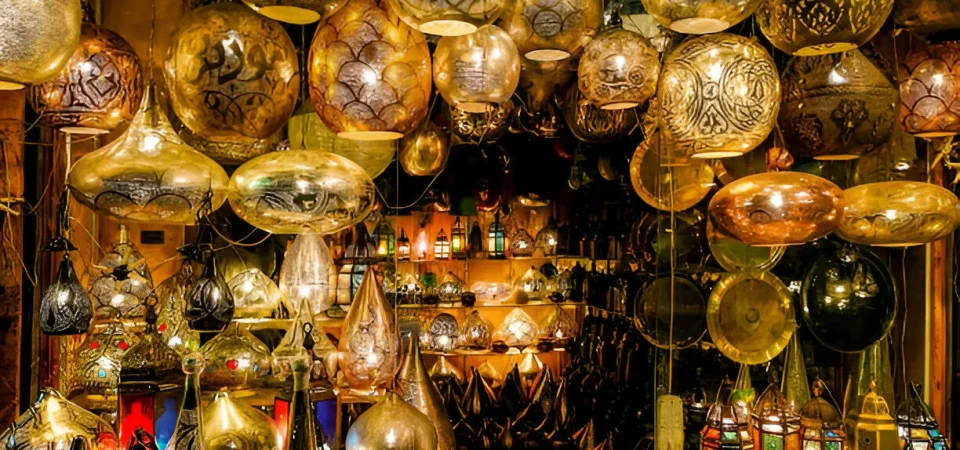
Khan el-Khalili Bazaar is an enormous and exciting fair. The formation of the architecture goes back to the 1382-1389 years of their era, and the smell of all exotic spices can be smelt while the melodious tune of the street musicians can be listened to. It is a hard-to-get market full of fairytale-like, ancient amulets, and morbid treasures, making it a lively center for a different country's merchants.
After finish the visits we will arrange you to your hotel in Cairo.
Meals: Breakfast, Lunch
Day 12: Bahariya Adventure Tour
After breakfast, we will transfer you to visit:
The Bahariya Oasis
You will depart for Bahariya Oasis at dawn, covering about 385 km from Cairo in approximately 4 hours. During the journey, you will explore the Black Desert and visit El Hez Shower, a Bedouin village. Lunch will be served in a Toyota Land Cruiser at Al-Bawaiti City (White Desert Oasis).
enjoy sightseeing at Crystal Mountain and the Agabat Area, known for sandboarding. The tour will also take you to the Old White Desert, where you’ll see the Mushroom, Tants Valley, and Flower Stone. Experience traditional Bedouin hospitality with tea, a barbecue dinner, and an opportunity to camp under the stars.
Valley of the Golden Mummies, which contains mummies, ornaments, gold masks, and other relics from the Greco-Roman period of Ancient Egypt. This location is well-known for the preservation of its contents in the valley.
The White Desert
The White Desert, the place that has been like heaven by the angels with the sky, is the home of the most unusual white forms formed by the wind erosion over the centuries, and they are of such a hallucinating structure that they white-line the desert and bring the storybook tone to it. Having a quiet visiting day, soaking in such a beautiful spot, you will spend a truly splendid day full of discovery and relaxation.
You will be to spend the overnight there.
Meals: Breakfast, Lunch, Dinner
Day 13: Bahariya -- Return to Cairo
After Breakfast, you will transfer to Cairo to spend the day there.
Day 14: Saqqara + Memphis + Dahshur - Back in Al-Ahram Village I was back in a hotel in Al-Ahram Village, but, of course, only to stay the...medium.com
After breakfast we will arrange you to visit:
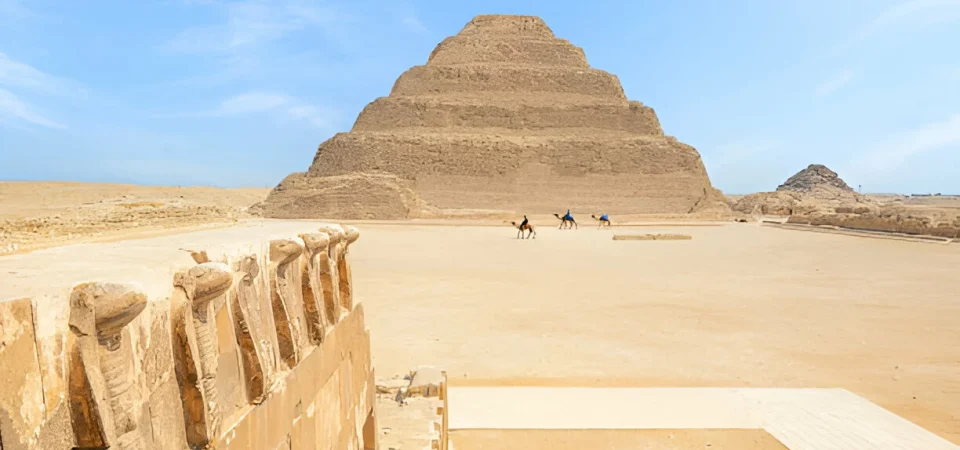
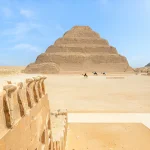
The Saqqara Step Pyramid
The Step Pyramid of Saqqara, one of the Seven Wonders of the Ancient World, is known for its architectural innovation attributed to Imhotep, the high priest of the sun god Ra. Built between 2670 and 2650 BC during the Third Dynasty, it was a burial site for Pharaoh Djoser. It is recognized as one of the earliest monumental structures featuring temples and artworks.
Memphis Egypt City
Pharaoh Menes founded Memphis in 2925 BC, establishing it as the first capital of ancient Egypt, known for its White Walls. The city became a religious center dedicated to worshiping the god Ptah, particularly in the temple within the citadel, known as the Enclosure of the Ka of Ptah. This connection is reflected in the modern name for Egypt.
Dahshur Pyramids
Dahshur is an archaeological site located 40 kilometers south of Cairo. It is known for its significant pyramids, the most famous of which are the Bent Pyramid and the Red Pyramid.
The Red Pyramid, built for Pharaoh Sneferu between 2613 and 2589 BC, is considered the world’s first true pyramid. It features. It features smooth sides made from burnt lime. The Bent Pyramid is distinguished by its unique sloped shape.
we will take you to your hotel after your tour ends to spend the night there.
Meals: Breakfast, Lunch
Day 15: Baron Palace + Manial Palace + Abdeen Palace + Mohammed Ali Palace
After breakfast, then meet your guide to help you tour Cairo's best palaces.
Baron Palace
The Baron Empain Palace is a unique architectural masterpiece located in Heliopolis. It combines Hindu, Islamic, and European styles and was constructed between 1907 and 1911 by Belgian businessman Baron Édouard Empain. The palace features intricate carvings, vibrant stained glass windows, and a striking central dome. Today, it has become a museum and a cultural center.
The Manial Palace of Muhammad Ali
The Manial Palace, or the Palace of Prince Mohammed Ali Tewfik, is a valid example of a lavishly adorned era. Since 1875 AD, this building has been the residence of Prince Mohammed Ali Tewfik, the uncle of the then-king Farouk. Boasting a blend of Ottoman, Moorish, and Florentine architectural styles, the palace is a sight. The place is enhanced by beautiful works of art, fancy wooden paneling, and an impressive selection of visual arts and artifacts dowry for everyone to see.
Abdeen Palace
Abdeen Palace is a historic 500-acre palace complex in the heart of Cairo, a sanctuary for creativity and culture. It was first built as a home for Egypt's Khedive Ismail Pasha in 1863. It was the main Royal Palace of the Egyptian Monarchs and Presidents. It also became the focal point of political events between 1874 and 1952, when it was used as a political center. The outstanding feature of this palace is its luxurious interiors, designed with ornate chandeliers, beautiful upholstery, and bright decorations.
The Palace of Mohamed Ali in Shubra is one of the tourist attractions that grabs visitors’ attention.
The name of the palace is Mohamed Ali Palace Shubra.
Dar Mohamed Ali PashaThis compound property was set up in 1808. It is situated in the Shubra neighborhood of Cairo, which is provided for the working class. The palace has gardens like vineyards, and the beautiful sea view is the source of this unique atmosphere. The Mohamed Ali Pasha Palace blends Turkish and Florentine architectural styles within the same complex. Currently, the compound includes a public park and is bustling with tourists.
After finish the visits we will arrange you to your hotel in Cairo.
Meals: Breakfast, Lunch
Day 16: Final Departure - Conclude Your 16 Days Egypt Tour Package
After Breakfast at the Cairo hotel, you will check out and we will transfer you to Cairo international Airport.
Tour Map
Reviews
No reviews yet
